Sarah Rowbotham 31/5/2019
Australia is known for being home to a variety of amazing wildlife such as the kangaroo, the wombat and of most famously, the koala. However, in 2011 the koala became listed as a vulnerable species in Queensland and New South Wales. This national icon is slowly disappearing from their natural habitat, but why?
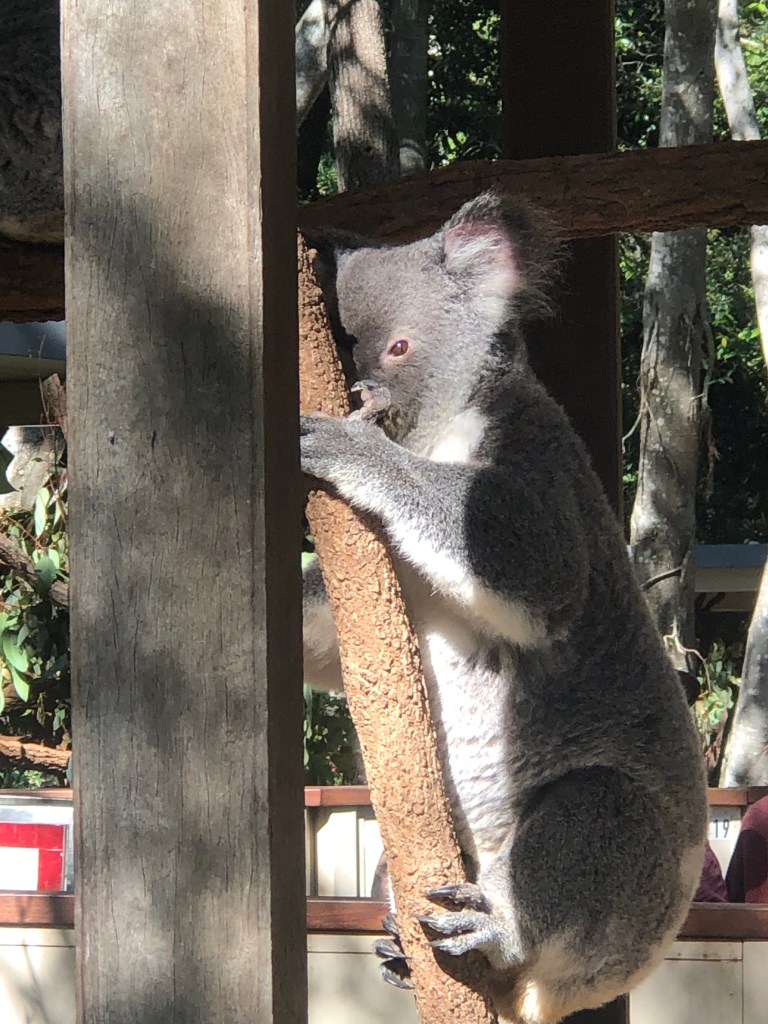
Koala in captivity held at Lone Pine Koala Sanctuary
Two main factors have caused the decline of koala populations across the East Coast of Australia. The first is natural factors, such as disease and bushfires. The second is the direct, and complex, impact of human beings upon koala populations, which will be discussed in more detail below.
Why is this happening?
The graph below shows the most common causes of koala deaths in the Brisbane region. Many people are surprised to learn that koalas can be affected by varying illnesses, such as the common cold to varying forms of cancer. The most prevalent disease killing koalas, however, is Chlamydia. Although the symptoms are treatable if discovered in early stages, there is still no cure for the disease itself.
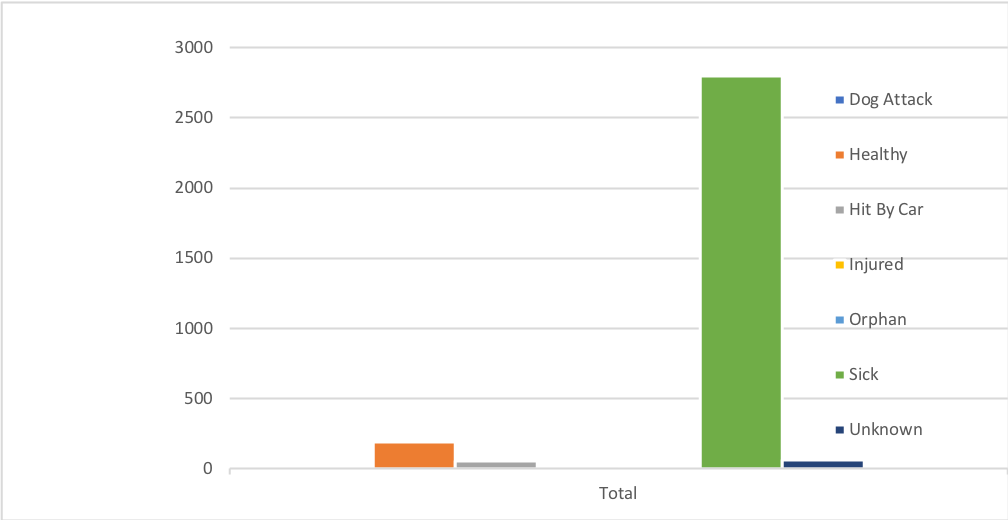
Data provided by Moreton Bay Koala Rescue outlining the condition in which koalas were rescued from 2014 – 2019
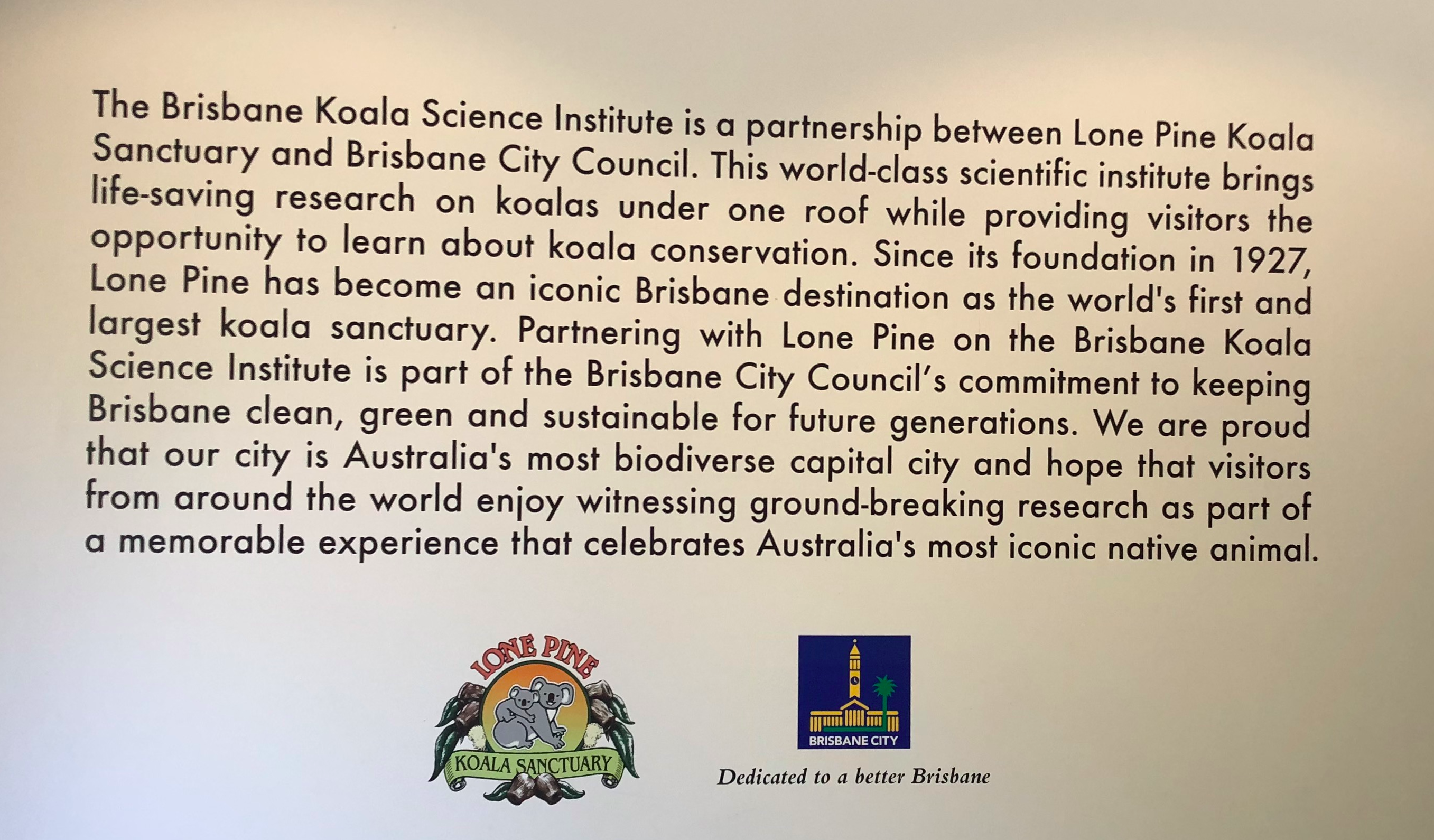
To address this problem, the Brisbane City Council partnered with Lone Pine Koala Sanctuary to form the Brisbane Koala Science Institute. The Institute has been instrumental in spearheading research solutions to conserve koala populations. One solution is to develop a Chlamydia vaccine that can be administered to wild koalas.
This research promises to deliver outcomes that resolve many of the natural factors reducing koala populations. By comparison, the problem of human factors is more complex: there seems to be a disconnection between the solutions touted by wildlife advocates to address negative human factors and the implementation of these solutions by residents and government bodies.
One example of this paradox concerns the destruction of koala habitats. Habitat reduction causes depletion of food and shelter resources, as well as residual problems, such as increased traffic flow leading to wildlife being hit by cars and the introduction of more predators in the form of pets such as dogs.
Nicole Davies, the President of Moreton Bay Koala rescue confirms that habitat loss is the catalyst that augments other impacts.
“Habitat loss and fragmentation have the combined effect of reducing the amount of habitat (reducing food and shelter resources), but also increasing the amount of time koalas must spend moving on the ground at risk from a range of threats”. – Nicole Davis, President of Moreton Bay Koala Rescue
Increasing residential and commercial developments have made these concerns a reality across South East Queensland.
Animal Justice Party Candidate for Dixon, Maureen Brohman discusses the impact the Kallungar Railway has had on koala populations.
” 281 koalas were found dead after the construction of the railway, some will try to deny this figure.” – Maureen Brohman, Animal Justice Party Candidate for Dixon. (NB Ironically, the name ‘Kallangur’ derives from the Aboriginal word ‘Kalangoor’ meaning goodly place.
Queensland’s Koala Populations Over the Last Twenty Years
Queensland has had an alarming decrease in koala populations over the last twenty years. The East Coast of Queensland and Northern New South Wales is known as the Koala Coast, as this is the area in which many different species of eucalyptus tree grow.
The map below indicates koala sightings over the last twenty years. The green markers indicate sightings between 1996 – 2006 and the red markers indicate sightings between 2007 – 2017.
Data taken from the Department of Environment and Heritage Protection’s KoalaBase from 1996 – 2017, showing Koala sightings over the last twenty years.
“There is lots of reasons for this loss in distribution but the main one is habitat destruction, as a result we have lost about 80% of koala habitat” – Leah, Koala Carer at Lone Pine Koala Sanctuary.
With this loss of koala habitat across the Koala Coast in South East Queensland, koalas are no longer commonly sighted across Brisbane. When they are spotted, it is usually because they are sick or injured and are unable to reach the safety of the trees.
Who is protecting them?
Although in March this year, the Palaszczuk Government approved Special Wildlife Reserves to protect conservation areas akin to National Parks, there is no dedicated legislation which provides protection for wildlife such as koalas in residential and commercial areas.
Maureen Brohman, the North Regional Coordinator for the Animal Justice Party Queensland and Candidate for Dickson, pushes for the importance of legislation to protect our wildlife. Without laws in place to protect them, their habitat will still be developed and we will continue to see the decline of koala populations across South East Queensland.
“There is no adequate protection for koalas in Queensland. As there is a healthy koala population in Victoria, the federal government will not intervene to help our koala populations in Queensland.” – Maureen Brohman, Animal Justice Party, Candidate for Dickson.
“What we look at is that we are all connected without the environment and the animals, humans can’t survive. Humans do so much to disrupt this process and it is changing the whole eco system. Humans are intent on developments and money rather than the environment” – Maureen Brohman, Animal Justice Party, Candidate for Dickson
Volunteer organisations such as the Moreton Bay Koala Rescue are the main organisations caring for the koalas of South East Queensland. Consisting of volunteers, they devote their spare time to rescuing sick or injured koalas and delivering them to wildlife hospitals for treatment, such as the Daisy Hill Koala Hospital or the Australia Zoo Wildlife Hospital. Organisations such as the Moreton Bay Koala Rescue function with some assistance from councils but survive mainly on donations and government grants.
How can we help koala populations?
Koalas are most commonly found on the East Coast of South East Queensland from Redland Bay in South Brisbane to Moreton Bay in North Brisbane, sometimes known as ‘the Koala Coast’. In the graph below, you can see which suburbs koalas are most likely to be sighted in.
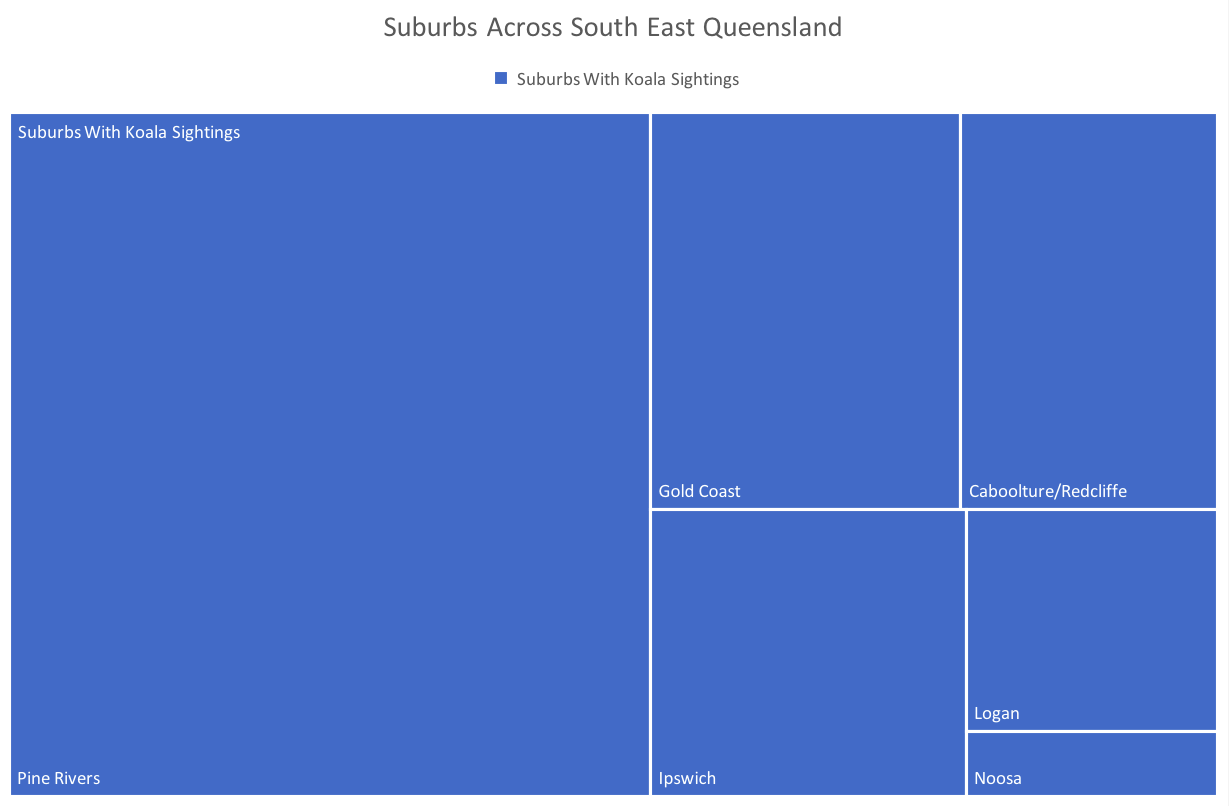
To protect the koalas that remain, Moreton Bay Koala Rescue President Nicole Davis states three things we can do to help stop the decline of koala populations in South East Queensland:
- Report every sighting with local rescue groups so they can undergo a health check
- Talk to local, state and federal members to make it an important political issue
- Sign an online petition with the Environmental Defence Office for stronger habitat protection
In addition, if you spot a koala, whether they be sick or healthy, contact your local koala rescue group. If they are injured contact 1300 ANIMAL so a wildlife career can be notified.
You can also plant eucalyptus on your property to help rebuild their food source and provide a safe place for koalas to rest.
In Conclusion
Initiatives by the Brisbane City Council, Lone Pine Koala Sanctuary and a local university promise to remediate many natural factors, such as disease, from decimating koala populations in South East Queensland. However, redressing human factors, such as urban developments that deplete koala habitats is more difficult, given the lack of State legislation. It is further complicated by diametrically-opposed interests, such as the issue of natural habitat preservation posing a direct threat to business interests, who seek to profit from private and commercial real estate development.
Ironically, it is humans who hold the key to resolving this dilemma. Wildlife advocates and political candidates are urging people to lobby governments to create laws that will protect wildlife, as well as encouraging residents to be vigilant in spotting and protecting wildlife in their suburbs. This is a worthwhile goal and something that each of us can easily do, to ensure that one of our most famous icons survives for future generations to enjoy.

 Sarah's Blog